

Cling Wrap: The Complete Guide to Keeping Food Fresh at Home

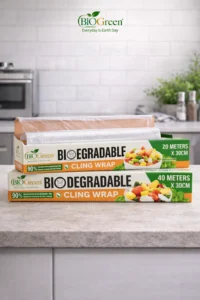
Whether you’re storing leftover dinner, preparing meals for the week, or keeping fresh fruits and vegetables from drying out, cling wrap is one of the most useful kitchen essentials.
A good cling wrap helps lock in freshness, prevents food from absorbing unwanted odours, and reduces food waste by protecting ingredients from air and moisture.
From busy families and home cooks to students and anyone who enjoys meal prepping, food wrap makes storing food simple, hygienic, and convenient.
In this guide, you’ll learn everything about cling wrap, including how it works, its benefits, whether it’s microwave safe, freezer safe, and how to choose the best cling wrap in Singapore.
Why Every Home Kitchen Needs Cling Wrap?
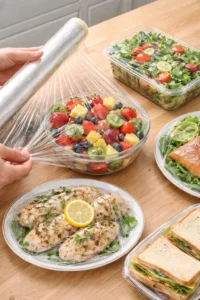
Cling wrap, also known as plastic wrap or food wrap, is a thin, flexible plastic film designed to seal food tightly. Its unique self-clinging property allows it to stick to containers, plates, and even food surfaces.
Most food grade cling wrap is made from polyethylene (PE) or similar food-safe materials. These materials provide flexibility, stretchability, and transparency while maintaining food safety standards.
The primary purpose of cling wrap food storage is to:
- Preserve freshness
- Prevent contamination
- Reduce food waste
- Improve hygiene during food handling
Key Benefits of Using Cling Wrap
- Keeps Food Fresh Longer
One of the biggest advantages of cling wrap is its ability to preserve food freshness. Exposure to air is one of the main reasons food begins to dry out, lose flavour, and spoil more quickly. By forming a tight seal around food or containers, cling wrap helps minimise contact with air and slows down the deterioration process.
This makes it ideal for storing:
- Fresh fruits
- Leafy vegetables
- Cooked meals
- Meat and seafood
- Bread and pastries
- Cheese
- Homemade desserts
Keeping food fresh for longer means you can enjoy better-tasting meals while reducing unnecessary food waste.
- Helps Reduce Food Waste
Throwing away spoiled food not only wastes money but also contributes to unnecessary household waste. Many ingredients can last much longer when they are properly wrapped and stored.
For example, instead of leaving half an onion, avocado, cucumber, or lemon exposed in the refrigerator, wrapping it with cling wrap helps slow moisture loss and keeps it fresher for your next meal.
Similarly, leftover rice, cooked vegetables, and unfinished dishes can be covered immediately after cooling and stored safely for later consumption.
Using cling wrap as part of your daily food storage routine is a simple way to maximise the use of groceries while reducing waste.
- Protects Food from Refrigerator Odours
Most refrigerators contain a variety of foods with different aromas. Strong-smelling ingredients such as onions, garlic, seafood, or durian can easily affect the taste and smell of other foods if they are not properly covered.
Cling wrap acts as a protective barrier that helps prevent unwanted odours from transferring between foods.
This is especially useful when storing:
- Cakes
- Fruits
- Cheese
- Desserts
- Cooked meals
- Sandwiches
Keeping foods separately wrapped helps preserve their original flavour while maintaining better refrigerator hygiene.
- Locks in Moisture
Many foods lose moisture quickly when exposed to cold air inside the refrigerator. This can affect both texture and taste.
Wrapping food properly helps retain its natural moisture, keeping foods softer, juicier, and more enjoyable to eat.
Foods that benefit from moisture retention include:
- Fresh bread
- Cakes
- Muffins
- Brownies
- Cooked chicken
- Roasted meat
- Fresh herbs
Whether you’re storing leftovers overnight or preparing meals several days in advance, cling wrap helps maintain food quality.
- Makes Meal Preparation Easier
Meal prepping has become increasingly popular among busy professionals, students, and families in Singapore. Preparing meals in advance saves time during the week while helping maintain healthier eating habits.
Cling wrap makes meal preparation more organised by allowing you to:
- Cover meal prep containers
- Separate individual food portions
- Wrap sandwiches
- Store chopped ingredients
- Keep prepared vegetables fresh until cooking
It also makes transporting food easier for work lunches, school meals, picnics, or family outings.
- Suitable for Containers of All Shapes and Sizes
Unlike rigid lids that only fit specific containers, cling wrap adapts easily to different shapes.
It can securely cover:
- Glass bowls
- Ceramic plates
- Plastic containers
- Stainless steel bowls
- Serving trays
- Fruit platters
Its stretchable design makes it one of the most versatile food storage solutions available in any kitchen.
- Quick, Convenient, and Easy to Use
Sometimes the simplest kitchen tools are the ones we use most often.
Cling wrap requires no assembly or complicated preparation. Simply tear off the desired length, stretch it gently over the food or container, and press the edges to create a secure seal.
Whether you’re storing leftovers after dinner or packing lunch before work, it only takes a few seconds.
Its convenience makes cling wrap one of the most frequently used food storage products in households around the world.
Best Practices for Using Food Wrap
- Ensure surfaces are dry before wrapping
- Avoid excessive stretching to prevent tearing
- Press out trapped air to create a better seal
- Use fresh wrap for raw meat or seafood
These simple techniques help maximize the effectiveness of cling wrap food storage.
Is Cling Wrap Microwave Safe?
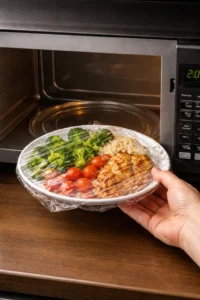
One of the most frequently asked questions about cling wrap is whether it can be used in the microwave. The answer is yes—but only if you’re using food-grade cling wrap and following the proper safety guidelines.
Most modern food-grade cling wraps are designed to withstand the heat generated during microwave reheating. However, it’s important to use them correctly to avoid the wrap melting or coming into direct contact with hot food.
Tips for Using Cling Wrap in the Microwave
To use cling wrap safely when reheating food:
- Leave a small opening to allow steam to escape.
- Avoid letting the cling wrap touch the food, especially foods with a high fat or sugar content.
- Use microwave-safe containers.
- Heat food according to the manufacturer’s recommended time.
- Replace damaged or torn cling wrap before use.
Following these simple precautions helps ensure your food is reheated safely while preventing unnecessary mess and splatters inside the microwave.
When Should You Not Use Cling Wrap?
Although cling wrap is suitable for refrigerators, freezers, and many microwave applications, it should never be used in appliances that produce extremely high temperatures.
- Conventional ovens
- Air fryers
- Stovetops
- Grills
- Toaster ovens
The high temperatures produced by these appliances can cause plastic wrap to melt and make it unsuitable for food contact.
Cling Wrap vs Aluminium Foil: Which Should You Use?
Many households keep both cling wrap and aluminium foil in the kitchen, but each serves a different purpose.
Type | Description | Common Use |
Cling Wrap | Thin film designed to stick to food and containers | Food storage and preparation |
Plastic Wrap | General term for food wrapping films | Household food storage |
Stretch Film | Thick industrial wrap used for pallets | Logistics and shipping |
How to Choose the Best Cling Wrap
While cling wrap may appear to be a simple kitchen tool, it plays a significant role in food preservation, hygiene, and daily kitchen efficiency. From covering prepared ingredients to storing leftovers and protecting fresh produce, cling wrap food storage helps keep food fresh, safe, and organised in both commercial kitchens and households.
Choosing high-quality food grade cling wrap is especially important for restaurants, cafés, and food businesses where food safety and efficiency are top priorities. A reliable cling wrap should offer strong cling performance, good stretchability, clear visibility, and durable tear resistance to ensure consistent results during food preparation and storage.
For businesses in Singapore, BIOGreen SG provides restaurant-grade cling wrap and eco-friendly food packaging solutions designed to meet the needs of modern kitchens. In addition to cling wrap, BIOGreen offers a wide range of sustainable packaging products such as cornstarch food containers, sugarcane bagasse packaging, garbage bags, air fryer paper, and food covers — helping food businesses maintain hygiene while moving toward more environmentally responsible packaging.
Keep Your Food Fresh with BIOGreen
If you’re looking for high-quality cling wrap in Singapore, BIOGreen offers dependable food packaging solutions trusted by restaurants, cafés, and F&B businesses across the country.
Explore BIOGreen’s range of food grade cling wrap and eco-friendly packaging products today to improve food safety, kitchen efficiency, and sustainable operations.